
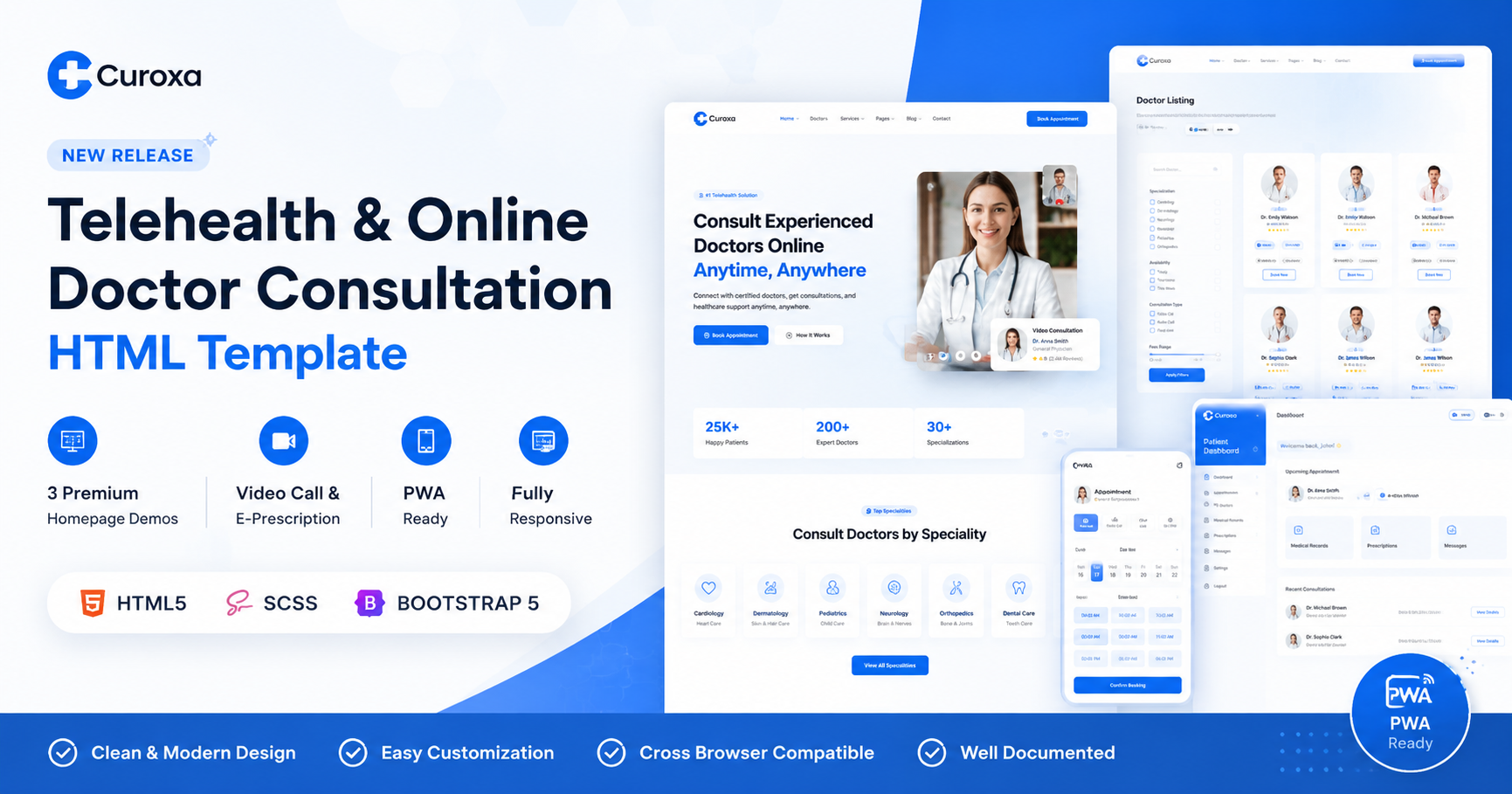
The healthcare industry is rapidly embracing digital transformation, and telehealth has become one of the most significant innovations in patient care. From online consultations to digital prescriptions, modern telehealth platforms are making healthcare more accessible, efficient, and convenient for patients worldwide.
However, building a successful telehealth platform requires more than just a website. It must deliver a seamless experience for both patients and healthcare providers while ensuring reliability, security, and ease of use.
Here are 10 essential features every modern telehealth website should include.
-
1. Easy Online Appointment Booking
The appointment booking process should be simple and intuitive. Patients should be able to select a doctor, choose an available time slot, and confirm their appointment in just a few clicks.
An efficient booking system reduces administrative work and improves patient satisfaction.
-
2. Video Consultation Capabilities
Video consultations are the foundation of modern telemedicine platforms. They allow doctors and patients to connect remotely while maintaining a personalized healthcare experience.
A high-quality video interface helps healthcare providers offer professional consultations without requiring pat
-
3. Audio and Chat Consultation Options
Not every consultation requires a video call. Some patients may prefer audio consultations or secure chat-based communication.
Providing multiple communication methods improves accessibility and ensures patients can receive care in the way that best suits their needs.
-
4. Advanced Doctor Search and Profiles
Patients should be able to quickly find the right healthcare professional based on specialty, experience, ratings, or availability.
Detailed doctor profiles can include:
- Qualifications
- Areas of expertise
- Experience
- Consultation fees
- Patient reviews
This helps patients make informed decisions before booking an appointment.
-
5. Comprehensive Patient Dashboard
A centralized patient dashboard improves user experience by allowing patients to manage their healthcare information in one place.
A modern dashboard may include:
- Upcoming appointments
- Consultation history
- Medical records
- Prescriptions
- Payment details
-
6. Focus on Business Goals and Conversions
A website should ultimately support your business objectives. Beyond attracting visitors, it must convert them into customers. An experienced website design company understands user behavior, strategic layout planning, and conversion-focused design elements. Every section of the website should guide users toward meaningful actions, whether it is submitting an inquiry, making a purchase, or contacting your team.
-
6. Digital Prescription Management
Digital prescriptions eliminate paperwork and make it easier for patients to access medication information.
After a consultation, doctors can generate prescriptions electronically, which patients can download or access directly from their dashboard.
This feature streamlines healthcare workflows while improving record accuracy.
-
7. Medical Records Management
Secure storage and management of medical records are essential for continuity of care.
Patients should be able to view and access:
- Consultation reports
- Test results
- Medical history
- Treatment plans
-
8. Mobile-First and Responsive Design
Most users access healthcare services through smartphones and tablets.
A responsive telehealth platform ensures that all features function seamlessly across devices, providing an optimal experience regardless of screen size.
Mobile accessibility has become a necessity rather than an option.
-
9. Progressive Web App (PWA) Support
Progressive Web Apps combine the benefits of websites and mobile applications.
Advantages include:
- Faster loading times
- Offline access capabilities
- App-like user experience
- Push notifications
- Easy installation without app store downloads
For healthcare businesses, PWAs offer a cost-effective way to deliver mobile-friendly experiences while maintaining a single codebase.
-
10. Secure and User-Friendly Experience
Trust is critical in healthcare technology.
A telehealth platform should prioritize:
- Secure authentication
- Data protection
- Encrypted communication
- User-friendly navigation
- Fast performance
Patients are more likely to engage with a platform that feels secure, professional, and easy to use.
The Future of Telehealth
As healthcare technology continues to evolve, telehealth platforms will play an increasingly important role in patient care. Features such as AI-powered assistance, remote monitoring, wearable device integration, and predictive healthcare analytics are expected to further enhance digital healthcare experiences.
Businesses that invest in modern telehealth solutions today will be better positioned to meet future patient expectations.